


Blog
Data quality 101 for Salesforce and Marketo users.
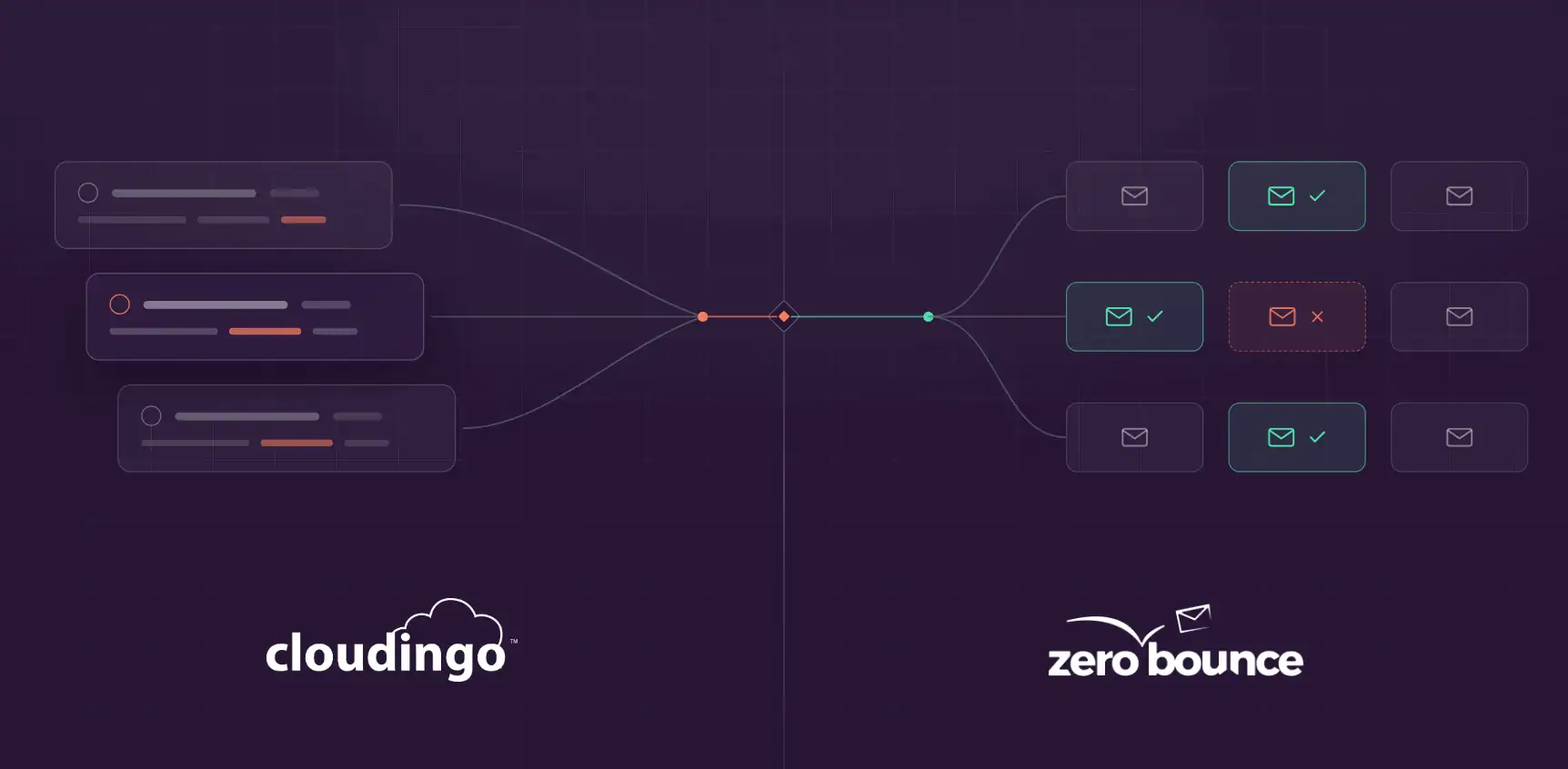
Salesforce Data Quality Has Two Major Problems: Identity and Reachability
Ask a Salesforce admin what "bad data" means, and you'll usually get the same answer: duplicates. Two contact records for the same person. Three accounts for the same company. It's the problem everyone names first because it's the one you can see, right there in a list view, staring back at you.
Duplicates Are Cheap. Trust Is Expensive.
There’s a conversation I have more than any other. A customer, usually a Salesforce admin, sometimes a RevOps lead, reaches out and says some version of: “We’ve cleaned things up. We’re in a good place. We’re thinking about cutting the tool.”
Salesforce Duplicate Management: Why Bad Data Is Breaking Your Reports, Pipeline, and AI
AI is moving fast in the Salesforce ecosystem. New copilots, automation tools, and predictive features are being rolled out constantly.
You’re Paying for 40,000 Records. How Many Are You Actually Using?
Here’s a question most Salesforce teams can’t answer: of every record in your CRM right now, how many can someone actually use?
Why Salesforce Automation Fails
When automation breaks in Salesforce, most teams assume the process was too complex. Too many rules. Too many edge cases. Too many dependencies.
Address Validation in Salesforce
Address validation in Salesforce is the key to ensuring the accuracy and completeness of your addresses, and Cloudingo is here to help you achieve that effortlessly.

You Can’t Improve What You Can’t See: How to Measure Salesforce Data Quality with Cloudingo
Everyone says data quality matters... until someone asks, “How do we know it’s actually getting better?”