


Blog
Data quality 101 for Salesforce and Marketo users.
Why Salesforce Data Cleanup Projects Always Become Prevention Projects
Nobody sets out to buy a data quality platform. They buy a merge tool because two Salesforce orgs just collided in a merger. They buy an import tool because a migration cutover is three weeks out. They buy something, anything, because a specific, dated problem forced the decision.
Claudeforce and Salesforce Data Quality for AI Agents: The Real Risks
On August 26, Salesforce and Anthropic announced Claudeforce. Now in September, Claude can reason over live Salesforce data and, in some cases, act on it directly — run meeting prep, review pipeline, update records, all without a rep ever opening Salesforce.
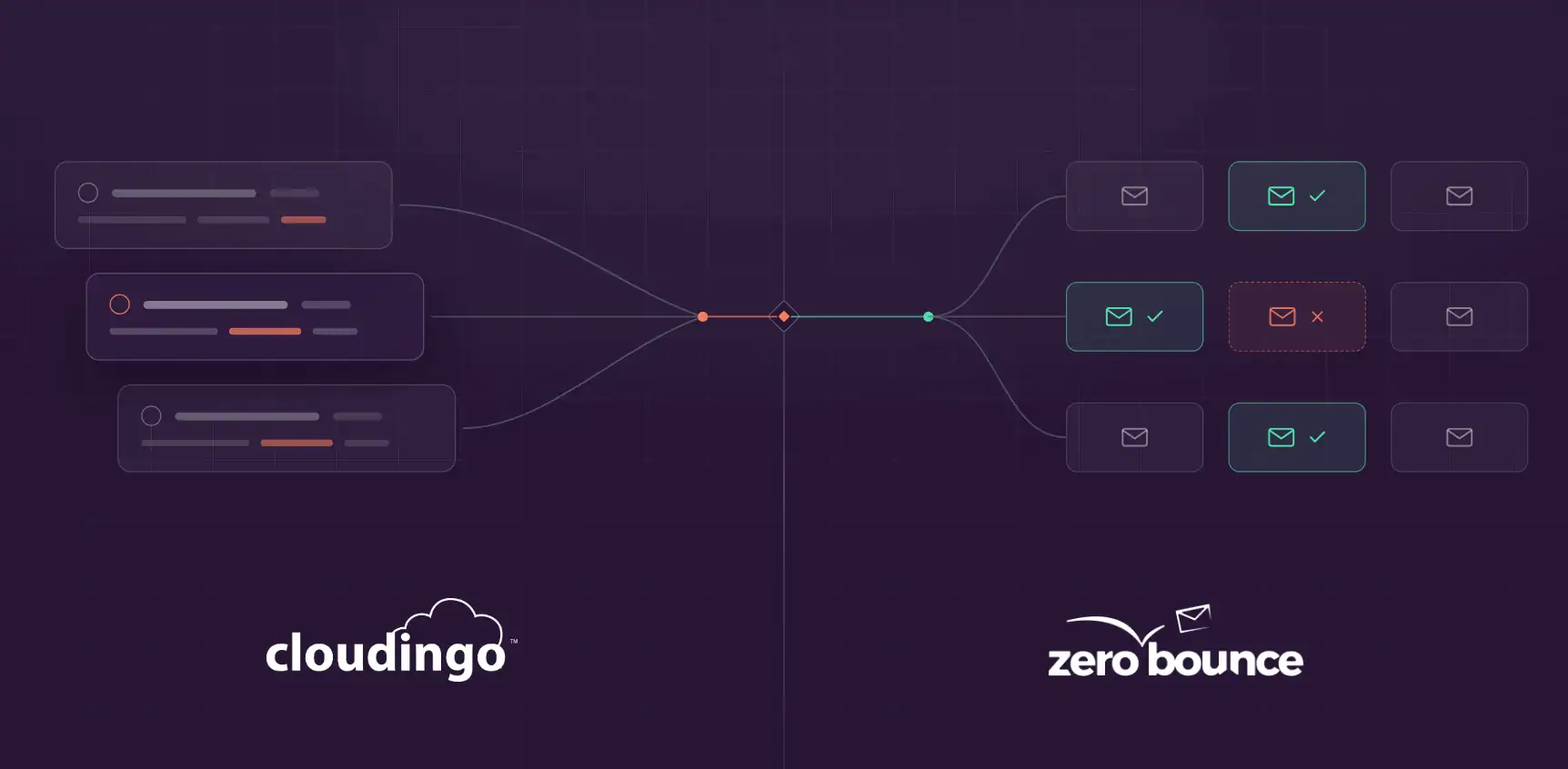
Salesforce Data Quality Has Two Major Problems: Identity and Reachability
Ask a Salesforce admin what "bad data" means, and you'll usually get the same answer: duplicates. Two contact records for the same person. Three accounts for the same company. It's the problem everyone names first because it's the one you can see, right there in a list view, staring back at you.
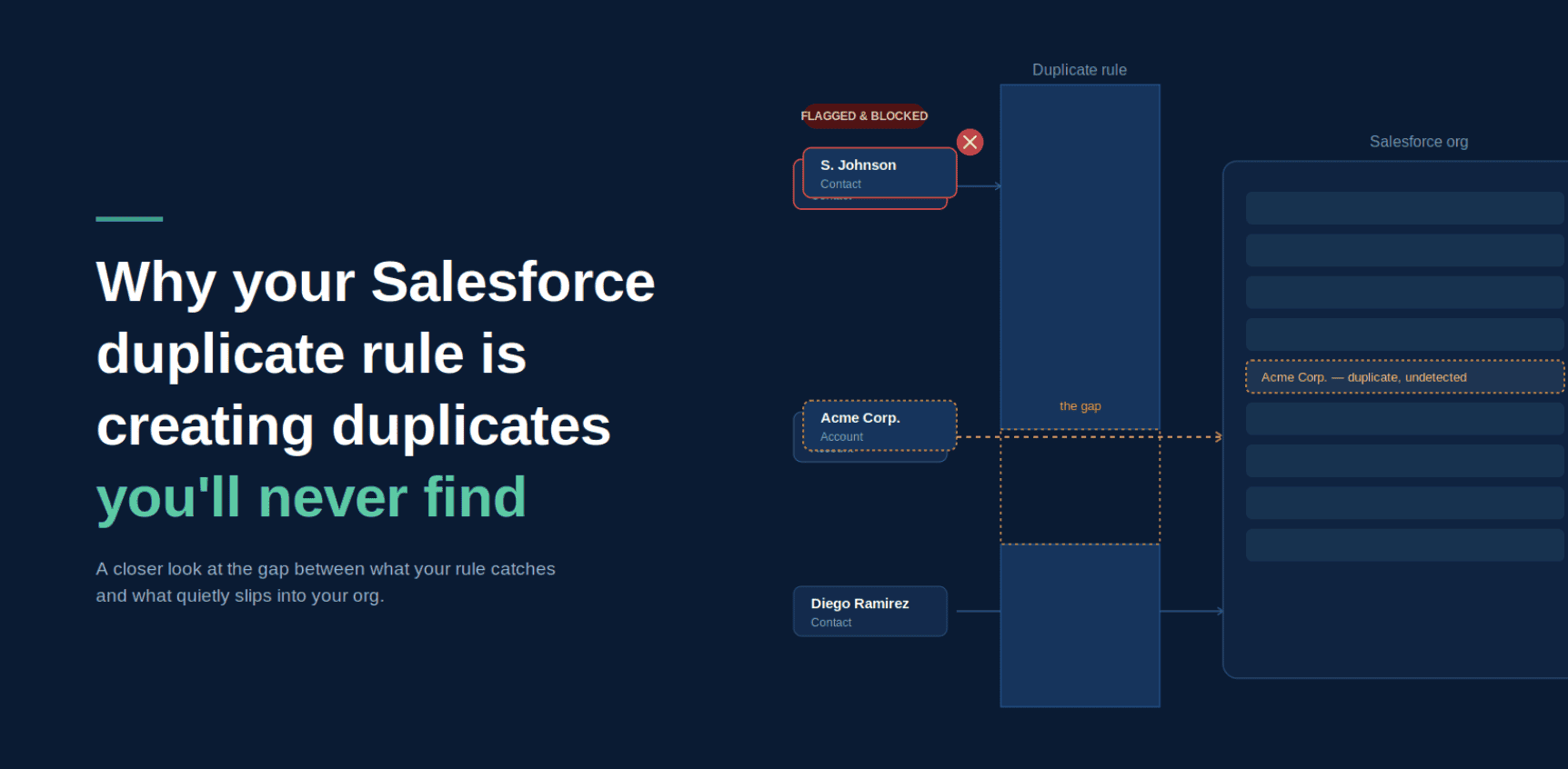
Why Your Salesforce Duplicate Rule Is Creating Duplicates You’ll Never Find
Imagine you're a rep, doing the part of the job you love. Prospecting.
The Upstream Approach: Using Smart Forms to Prevent Duplicates from Being Created in the First Place
Most Salesforce teams spend the bulk of their data-quality effort on finding duplicate records and merging them one batch at a time. That work matters, but if duplicates keep entering your org faster than you can merge them, it will always feel like you’re fighting a losing battle.
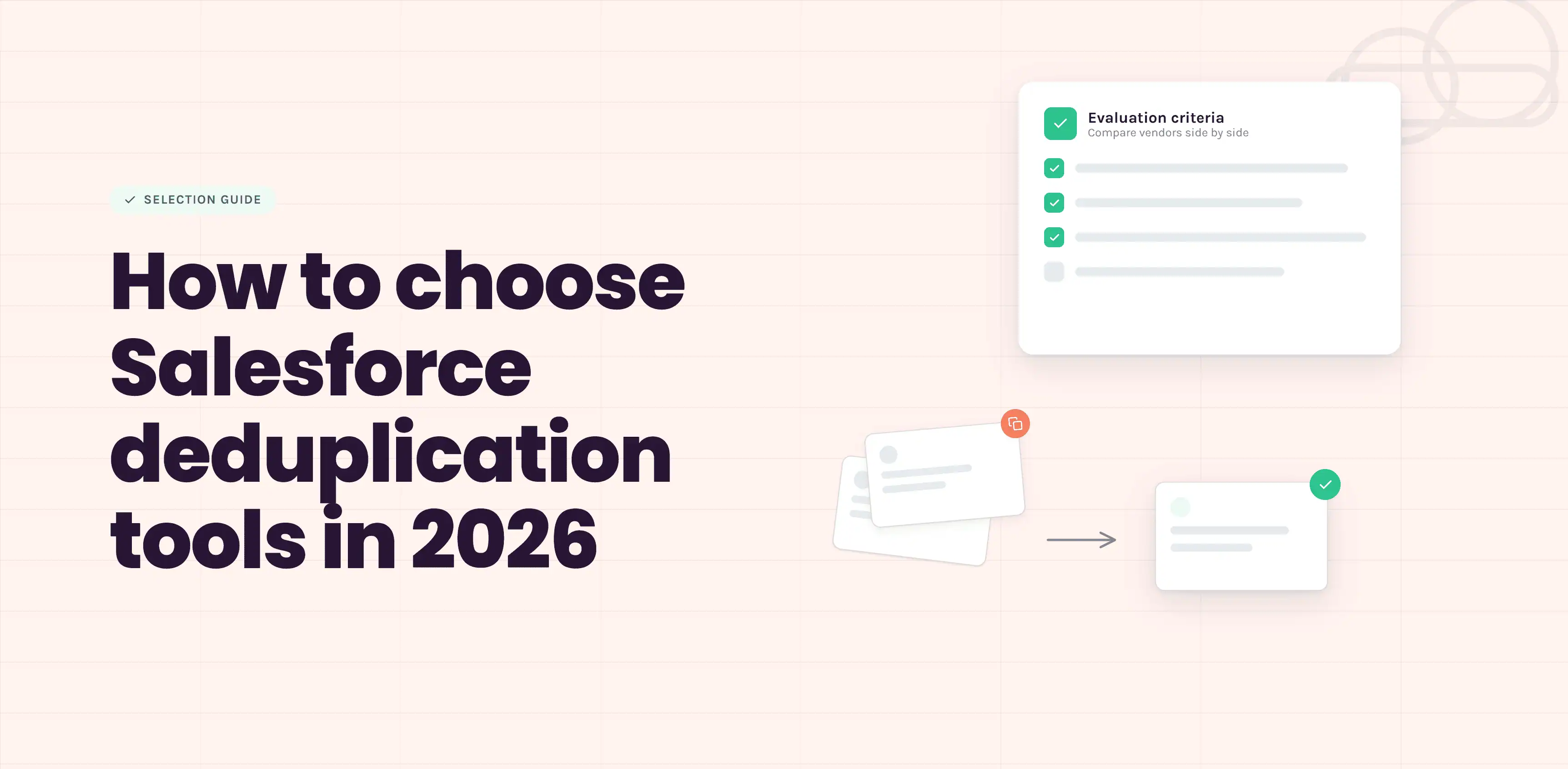
How to Choose Salesforce Deduplication Tools in 2026
If you have an established Salesforce org, you already have duplicate records. That's not a criticism—it's just how CRM data works at mid-market scale. The real question isn't whether duplicates exist. It's whether you have a consistent, automated way to find, merge, and prevent them before they erode your reporting, slow down your sales team, and undermine AI-driven workflows.
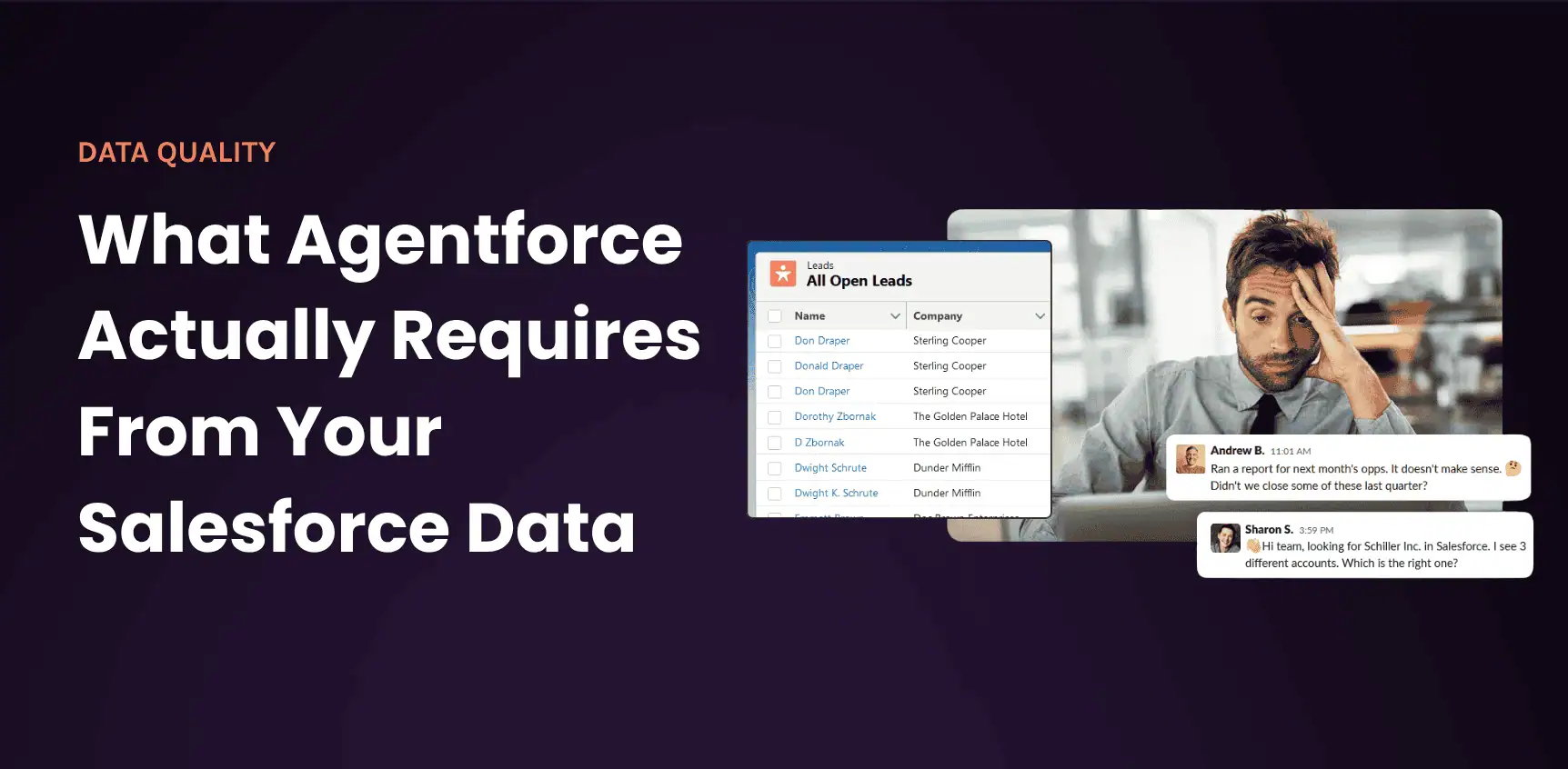
What Agentforce Actually Requires From Your Salesforce Data
Salesforce data quality used to be an admin chore — something you got to when reports looked off or a merger dumped 40,000 duplicate leads into your org.